Why Website Speed Matters For B2B Growth
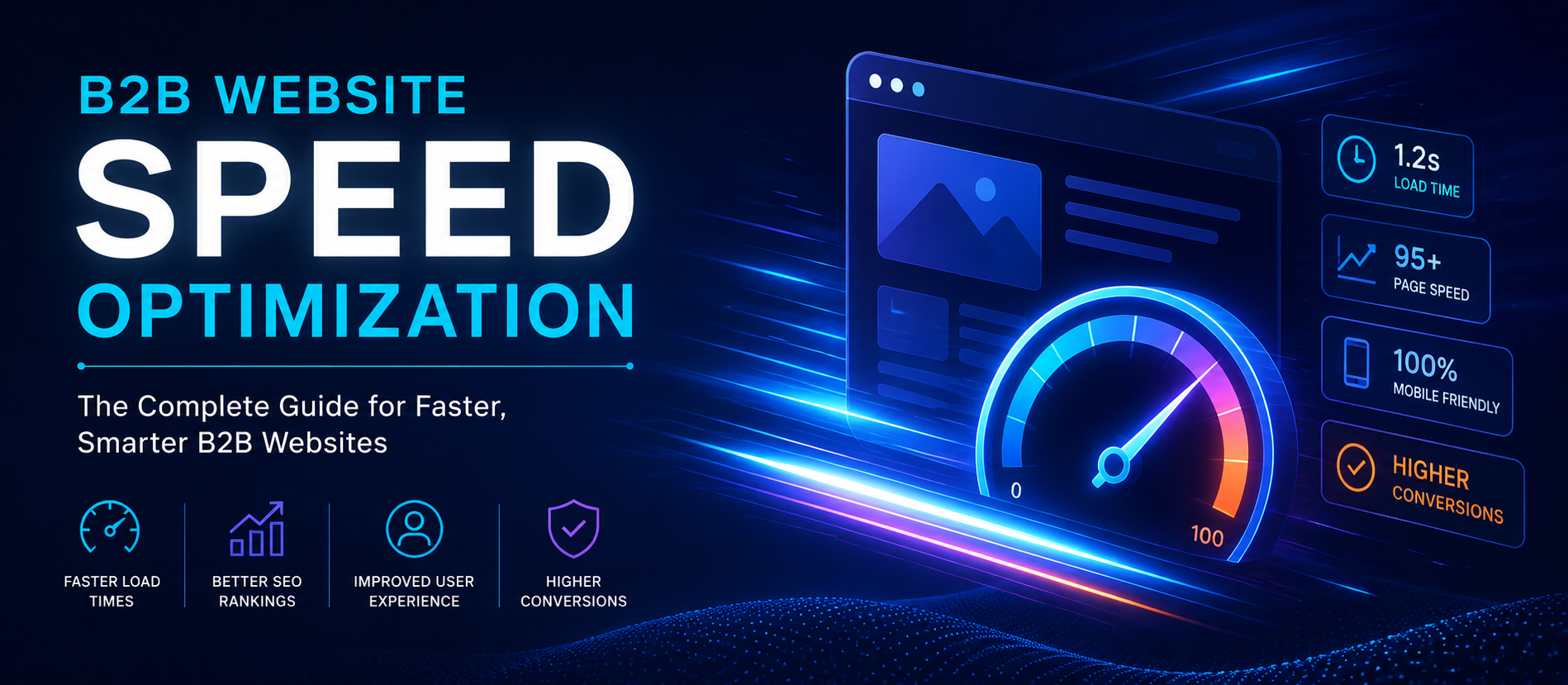
A slow-loading website can silently reduce conversions, increase bounce rates, and damage brand credibility. In today’s highly competitive B2B environment, buyers expect websites to load quickly on every device. Businesses that improve their loading speed often experience better engagement, stronger lead generation, and improved search visibility.
For modern brands like Designfo, maintaining a fast and responsive website is essential for improving user experience and driving business performance.
How Page Speed Impacts SEO
Search engines prioritize websites that provide better experiences to users. Faster websites generally achieve stronger rankings because they reduce friction during browsing. A website with excellent loading speed can help improve:
- Organic Search Visibility
- Core Web Vitals Performance
- Mobile User Experience
- Conversion Rate Optimization
- Customer Engagement Metrics
When your website loads quickly, users remain engaged longer and interact with more pages.
Understanding Core Web Vitals
Core Web Vitals are important website performance indicators used by search engines to measure user experience. Businesses should regularly monitor:
- Largest Contentful Paint (LCP)
- Interaction To Next Paint (INP)
- Cumulative Layout Shift (CLS)
Optimize Images For Faster Loading
Large images are one of the most common reasons behind slow-loading websites. Businesses should:
- Compress images before uploading
- Use modern formats like WebP
- Enable lazy loading
- Resize images correctly for mobile and desktop screens
Image optimization helps websites load faster while maintaining visual quality.
Reduce Unnecessary Scripts And Plugins
Many websites become slower because of excessive third-party scripts, tracking tools, and unused plugins. Reducing unnecessary code can improve performance immediately.
Best practices include:
- Removing unused plugins
- Combining CSS and JavaScript files
- Reducing external requests
- Using lightweight themes
These improvements create a cleaner and faster browsing experience.

Improve Mobile Website Performance
A large percentage of B2B traffic now comes from smartphones and tablets. Businesses must ensure their websites perform well on smaller screens.
Get StartedMobile optimization strategies include:
- Responsive design implementation
- Faster mobile image delivery
- Optimized fonts and buttons
- Streamlined navigation
A mobile-friendly website improves customer trust and increases lead generation opportunities.
Use Reliable Hosting And CDN Services
Web hosting quality directly affects loading speed. Slow servers create delays that frustrate users and reduce search performance.
Businesses should consider:
- High-performance cloud hosting
- Content Delivery Networks (CDN)
- Server-side caching
- Secure HTTPS configuration
Reliable hosting infrastructure improves website stability and performance consistency.
Minimize Redirects And Broken Links
Too many redirects can slow down websites significantly. Broken links also damage user experience and SEO authority.
To improve performance:
- Remove outdated redirects
- Fix broken internal links
- Audit website structure regularly
- Simplify navigation paths
Efficient website architecture helps visitors access content quickly.
Monitor Website Speed Regularly
Website optimization is not a one-time task. Businesses should continuously monitor performance using tools like:
- Google PageSpeed Insights
- Lighthouse
- GTmetrix
- Search Console
Regular audits help identify technical issues before they affect rankings or conversions.
Final Thoughts
A fast website is no longer optional in the competitive B2B landscape. Businesses that prioritize Website Speed Optimization, Technical SEO, and Core Web Vitals often achieve better search rankings, stronger customer engagement, and higher conversion rates.
At Designfo, we believe that website performance should support both user experience and business growth. Consistent optimization helps brands stay competitive in modern digital marketing.