The digital landscape is changing rapidly. Traditional SEO alone is no longer enough to help websites succeed in AI-driven search environments. Modern AI systems, search engines, and autonomous agents now interact with websites differently than human users. Instead of only reading content visually, machines analyze structure, relationships, trust signals, and interactive capabilities.
At Designfo, we believe the future of web development lies in creating websites that are not only user-friendly but also machine-readable, AI-accessible, and automation-ready.
This new approach is known as Machine-First Architecture.
AI systems like ChatGPT, Google Gemini, Claude, Perplexity, and advanced search crawlers are becoming the primary gateways to online discovery. Websites that are optimized for machines will gain better visibility, stronger authority, and improved AI citation opportunities.
What Is Machine-first Architecture?
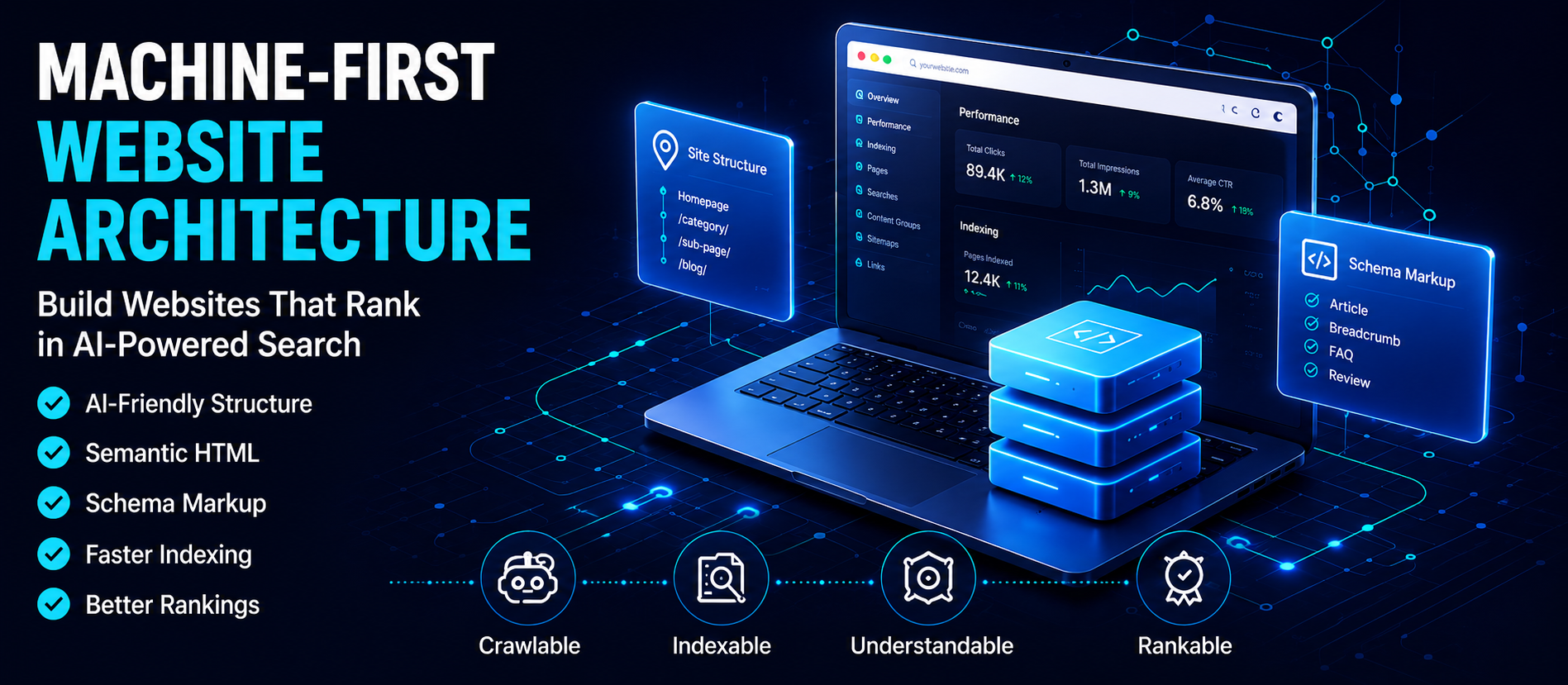
Machine-First Architecture is a modern web development methodology focused on helping machines:
- Identify your business clearly
- Understand your website structure
- Extract useful information easily
- Trust your expertise
- Interact with your website autonomously
Instead of designing only for human visitors, this approach builds websites that work efficiently for both humans and AI systems.
The idea is simple:
"If a machine can easily understand your website, humans will usually experience a better website too."
Why Ai-friendly Websites Matter in 2026
Search engines are evolving beyond traditional keyword-based indexing.
AI systems now:
- Summarize content
- Generate answers directly
- Compare products automatically
- Recommend services
- Complete tasks on behalf of users
That means websites must become:
- Easier to interpret
- Rich in structured data
- Semantically organized
- Technically accessible
Companies that adopt machine-first strategies early can:
- Improve AI search visibility
- Increase brand authority
- Earn more citations from AI tools
- Improve technical SEO performance
- Prepare for agent-based commerce and automation
The 4 Core Pillars of Machine-first Architecture
1. Identity: Help Machines Understand Your Brand
AI systems need clarity.
If your business information is inconsistent across platforms, machines may struggle to understand who you are and what you offer.
At Designfo, we recommend creating a unified digital identity across:
- Your website
- Google Business Profile
- LinkedIn
- Social platforms
- Business directories
- Schema markup
- Author profiles
A strong identity layer should include:
- Business category
- Services
- Location
- Expertise
- Leadership profiles
- Industry relationships
- Consistent brand messaging
2. Structure: Build Websites Machines Can Read Easily
Most websites are designed visually first.
Machine-first websites are structured around data first.
That means:
- Semantic HTML
- Clear heading hierarchy
- Structured schema markup
- Logical internal linking
- Crawlable navigation
- Fast rendering
- Accessible content architecture
Machines do not interpret colors or visual emphasis like humans do. They rely on structure and context.
3. Content: Create AI-Readable Information
AI-friendly content is different from traditional blog writing.
📋 Quick Summary
- Trusted expertise
- Structured information
- Contextual authority
- Up-to-date insights
- Strong authorship signals
- Evidence-based writing
- Updated timestamps
- Topic-focused structure
- Conversational clarity
- Modern AI systems prioritize:
- Trusted expertise
- Structured information
- Contextual authority
- Up-to-date insights
- At Designfo, we recommend:
- Strong authorship signals
- Evidence-based writing
- Updated timestamps
- Topic-focused structure
- Conversational clarity
4. Interaction: Prepare for Autonomous AI Agents
The future of the web is not only search.
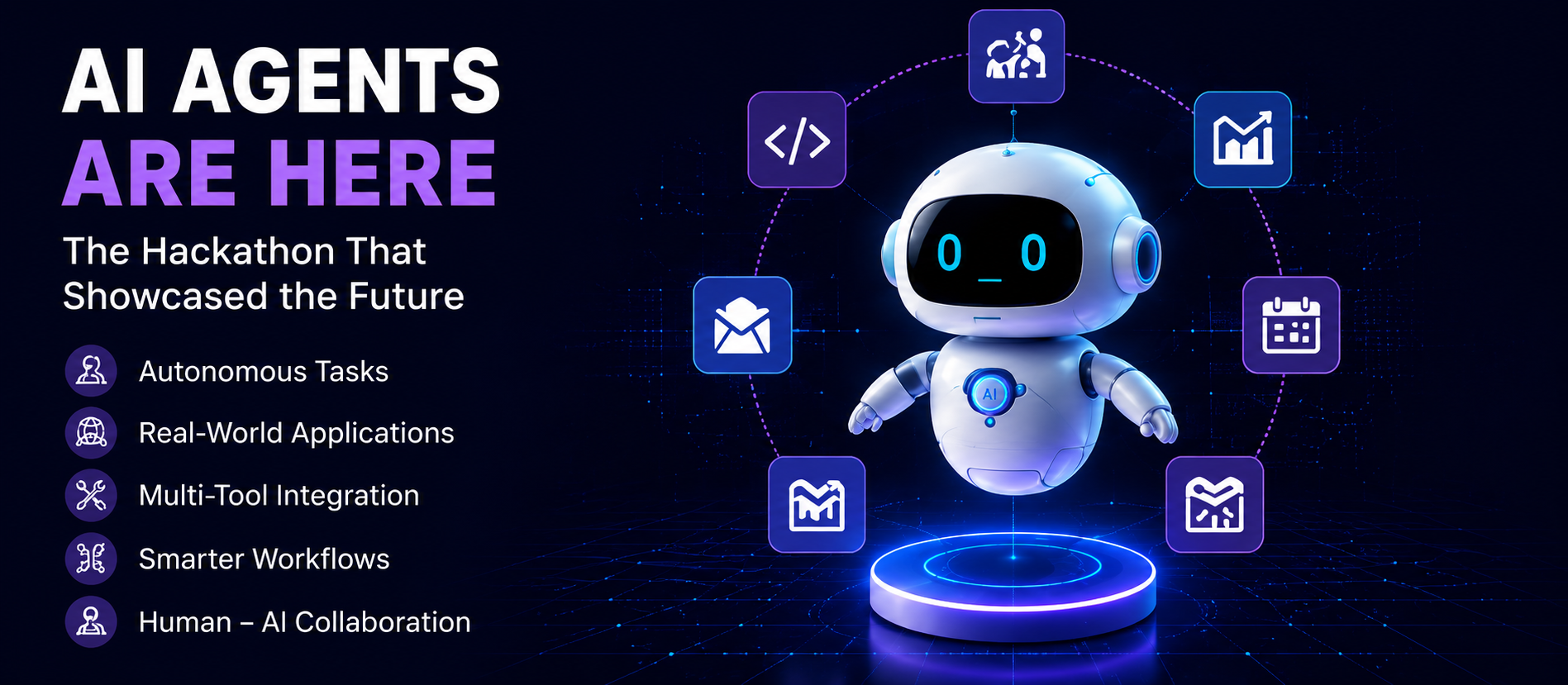
AI agents are beginning to:
- Book appointments
- Compare services
- Fill forms
- Make purchases
- Interact with websites automatically
Machine-first websites must therefore support:
- Predictable workflows
- Structured responses
- Accessible forms
- Machine-readable actions
- Transparent transaction processes
KEY FEATURES OF AN AI-OPTIMIZED WEBSITE
A machine-first website should include:
- Structured schema markup
- Fast page loading
- Semantic HTML5 structure
- Mobile-first responsive design
- Accessibility optimization
- AI-friendly content formatting
- Strong internal linking
- Entity-based SEO
- Clear authorship signals
- Machine-readable metadata
At Designfo, we integrate these elements directly into modern website architecture to help businesses stay competitive in AI-driven search ecosystems.
How Machine-first Seo Improves Search Rankings
Traditional SEO focused heavily on:
- Keywords
- Backlinks
- Meta tags
Modern AI SEO now includes:
- Entity recognition
- Content relationships
- Structured knowledge
- Contextual relevance
- Machine accessibility
- AI retrievability
Final Thoughts
Machine-First Architecture is not replacing traditional SEO — it is expanding it.
The future web belongs to businesses that create:
- Structured digital ecosystems
- Machine-readable content
- AI-friendly experiences
- Intelligent website architectures
As AI becomes the primary interface for discovering products, services, and information, websites must evolve accordingly.
Designfo helps brands prepare for this new AI-powered digital era with advanced SEO strategies, structured website development, and intelligent web architecture solutions.