- Understanding Marketing Automation
Marketing automation is the use of software platforms and intelligent workflows to automate marketing activities based on customer behavior, predefined rules, or AI-driven decis… - The Connection Between Automation and Revenue Growth
Many organizations assume that increasing sales requires expanding marketing budgets or hiring larger sales teams. - Personalized Customer Experiences at Scale
Today's customers expect businesses to understand their interests, preferences, and previous interactions. - Improving Lead Qualification
Not every lead is ready to make an immediate purchase.
Digital marketing has evolved from sending occasional promotional emails into a sophisticated ecosystem driven by Artificial Intelligence, customer data, predictive analytics, and automated workflows. Businesses today interact with customers through websites, search engines, email, social media, messaging apps, and online advertising. Managing every interaction manually is no longer practical, especially as customer expectations continue to rise.
Marketing automation provides a smarter approach by allowing businesses to automate repetitive marketing tasks while delivering highly personalized experiences throughout the customer journey. Instead of relying on generic campaigns, companies can automatically respond to customer behavior, nurture leads, recommend products, and guide prospects toward purchasing decisions at exactly the right moment.
The result is not only higher operational efficiency but also measurable improvements in sales, customer engagement, conversion rates, and long-term customer loyalty. In this guide, we'll explore how marketing automation contributes to sustainable business growth and why it has become one of the most valuable investments for modern organizations.
Understanding Marketing Automation
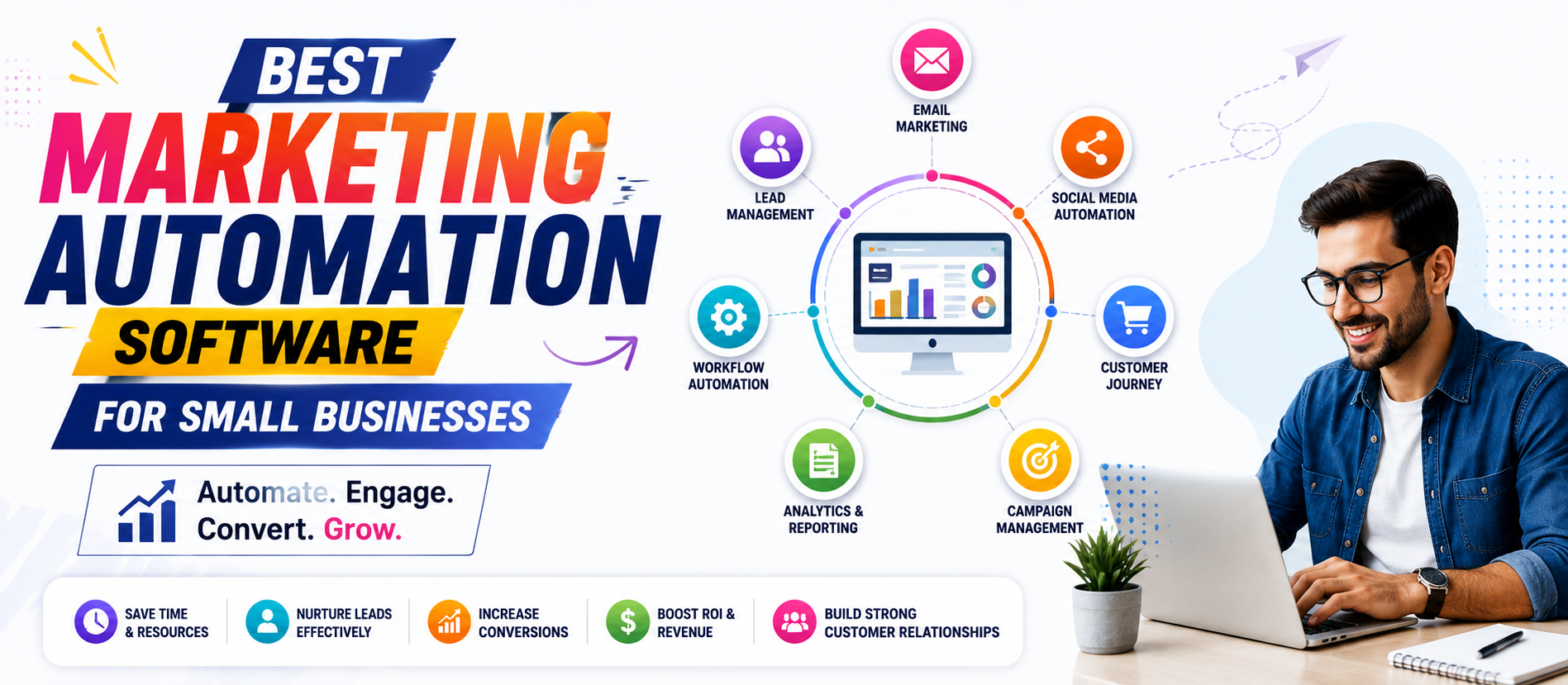
Marketing automation is the use of software platforms and intelligent workflows to automate marketing activities based on customer behavior, predefined rules, or AI-driven decision-making. Rather than performing repetitive tasks manually, businesses can create automated systems that communicate with prospects and customers at every stage of the buying process.
These systems can send personalized emails, assign leads to sales representatives, recommend products, trigger reminders, schedule follow-ups, update CRM records, and deliver performance reports automatically. Modern automation platforms also integrate with websites, eCommerce stores, customer support systems, and advertising platforms, creating a unified marketing ecosystem.
The Connection Between Automation and Revenue Growth
Many organizations assume that increasing sales requires expanding marketing budgets or hiring larger sales teams. In reality, many lost opportunities occur because businesses fail to follow up consistently, personalize communication, or engage prospects at the right time.
Marketing automation closes these gaps by ensuring every qualified lead receives timely and relevant communication. Whether someone downloads a guide, requests a quotation, watches a product video, or abandons a shopping cart, automation keeps the conversation moving without requiring manual intervention.
This consistent engagement shortens the buying cycle and increases the likelihood of conversion.
Personalized Customer Experiences at Scale
Today's customers expect businesses to understand their interests, preferences, and previous interactions. Generic promotional messages are increasingly ignored, while personalized communication generates significantly higher engagement.
Marketing automation makes personalization possible even for businesses with thousands of customers. Using behavioral data, purchase history, browsing activity, and customer preferences, automated systems deliver relevant recommendations, educational content, and offers that match individual needs.
This personalized approach creates stronger relationships while encouraging repeat purchases.
Improving Lead Qualification
Not every lead is ready to make an immediate purchase. Some visitors are only beginning their research, while others are actively comparing vendors or preparing to buy.
Automation platforms monitor customer activity and identify signals that indicate buying intent. Visiting pricing pages, downloading product brochures, attending webinars, or requesting demonstrations all provide valuable insights into customer readiness.
Instead of contacting every lead equally, businesses can prioritize high-intent prospects while continuing to nurture earlier-stage leads automatically.
Creating Continuous Lead Nurturing Campaigns
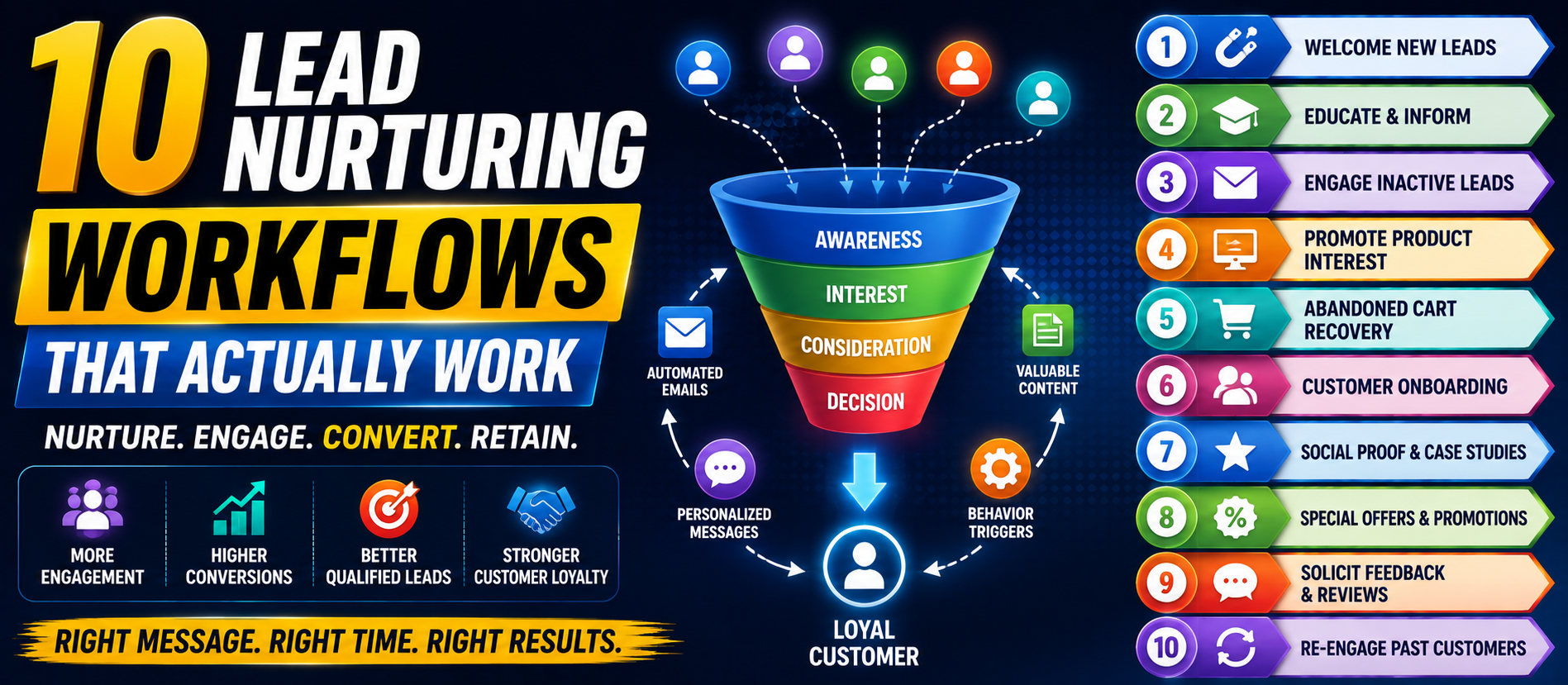
Successful marketing is rarely about a single interaction. Customers often require multiple touchpoints before making purchasing decisions.
Automation enables businesses to create structured nurturing campaigns that educate prospects over time. Instead of repeatedly sending sales-focused messages, companies can share industry insights, practical guides, case studies, success stories, videos, comparison articles, and frequently asked questions.
By providing consistent value, businesses build trust long before the sales conversation begins.
Reducing Sales Cycle Delays
Slow response times frequently reduce conversion rates. Prospects who wait days for replies often continue exploring competitors.
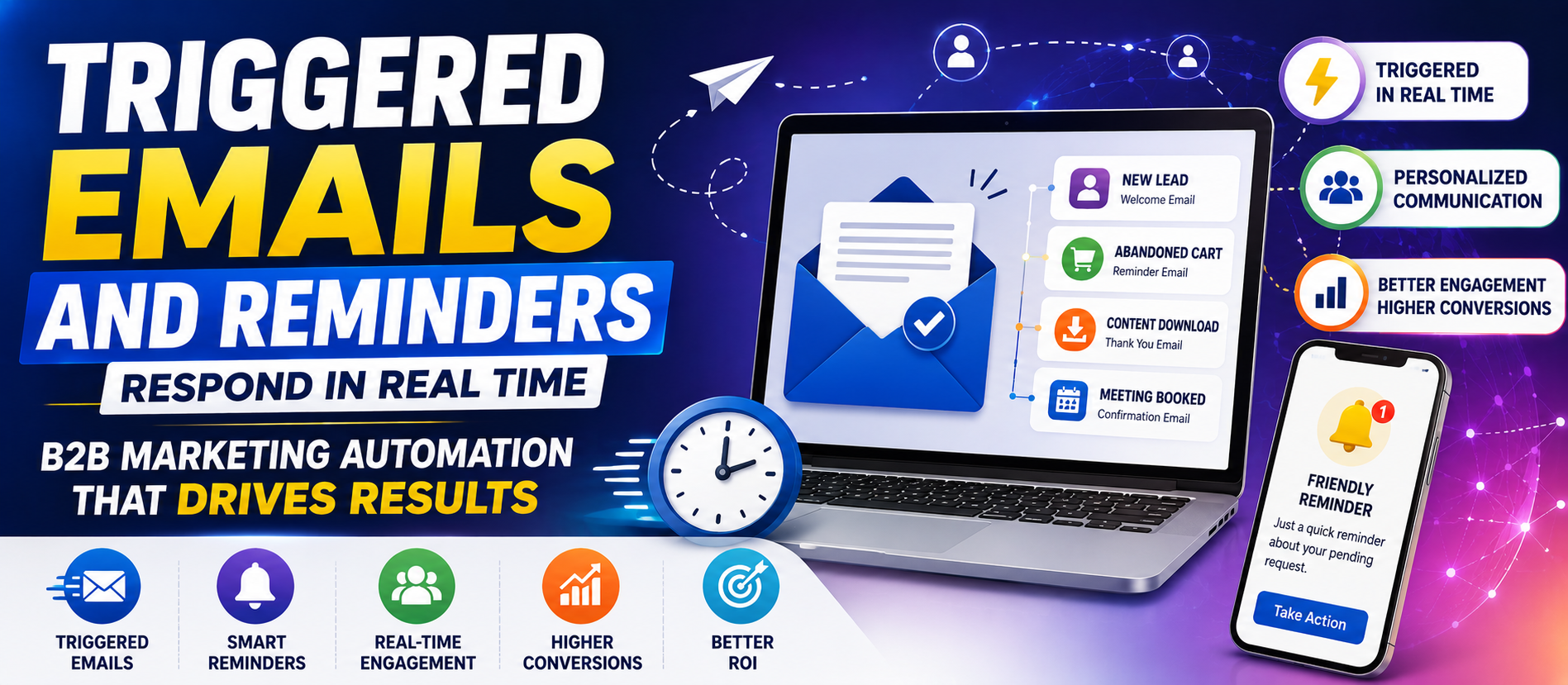
Marketing automation ensures immediate responses through automated acknowledgements, quotation confirmations, appointment reminders, consultation scheduling, and follow-up emails.
Prompt communication demonstrates professionalism while keeping prospects engaged throughout the decision-making process.
Strengthening Customer Retention
Acquiring new customers typically costs more than retaining existing ones. Marketing automation extends beyond lead generation by supporting long-term customer relationships.
Businesses can automate renewal reminders, product education, customer satisfaction surveys, loyalty rewards, birthday greetings, maintenance notifications, and re-engagement campaigns.
These ongoing interactions encourage repeat purchases while improving customer lifetime value.
Artificial Intelligence Enhances Automation
Artificial Intelligence has transformed traditional automation into intelligent marketing systems capable of learning from customer behavior.
AI-powered automation can recommend content, predict purchasing intent, generate email copy, optimize campaign timing, identify high-value customers, suggest audience segments, and analyze campaign performance continuously.
This allows businesses to make data-driven marketing decisions while reducing manual optimization.
Cross-Channel Marketing Automation
Modern customers interact with businesses through multiple channels rather than relying on a single communication platform.
Automation connects channels such as:
- Email marketing
- WhatsApp messaging
- SMS campaigns
- CRM platforms
- Website chatbots
- Social media messaging
- Landing pages
- Customer support systems
This integrated communication ensures customers receive consistent messaging regardless of how they engage with your business.
Using Marketing Automation to Support SEO, AEO and GEO
Search Engine Optimization (SEO)
Marketing automation promotes high-quality content, increases repeat website visits, improves customer engagement, and distributes educational resources that strengthen long-term organic visibility.
Answer Engine Optimization (AEO)
Automation helps deliver concise educational content that answers customer questions directly, improving visibility within conversational search experiences.
Generative Engine Optimization (GEO)
Consistently publishing trustworthy content and distributing it through automated campaigns strengthens brand authority across AI-powered search platforms and generative search engines.
Measuring Business Impact
Marketing automation should always be evaluated using measurable performance indicators.
- Lead-to-customer conversion rate
- Email engagement
- Customer acquisition cost
- Average sales cycle length
- Customer lifetime value
- Revenue per campaign
- Marketing ROI
- Repeat purchase rate
Tracking these metrics helps businesses continuously improve automation workflows and maximize return on investment.
Common Challenges and Solutions
Many organizations invest in automation software but fail to achieve expected results because workflows are poorly designed or customer data is incomplete.
To maximize effectiveness:
- Keep customer databases updated.
- Segment audiences accurately.
- Review automation workflows regularly.
- Test different communication strategies.
- Balance automation with human interaction.
- Continuously analyze campaign performance.
- Focus on customer value rather than message volume.
- Integrate marketing and sales teams effectively.
Successful automation depends on strategy, not simply technology.
How Designfo Helps Businesses Build High-Converting Marketing Automation Systems
Designfo specializes in developing intelligent marketing automation ecosystems that integrate AI, CRM platforms, lead generation, email automation, WhatsApp marketing, SEO, analytics, workflow automation, and customer journey optimization.
Our customized solutions help businesses reduce manual workloads, improve lead management, increase sales conversions, strengthen customer relationships, and create scalable digital marketing systems that support sustainable business growth.
Whether you're a startup, service provider, eCommerce brand, educational institution, healthcare company, or enterprise organization, Designfo develops automation strategies tailored to your business objectives.
Frequently Asked Questions (FAQ)
How does marketing automation increase sales?
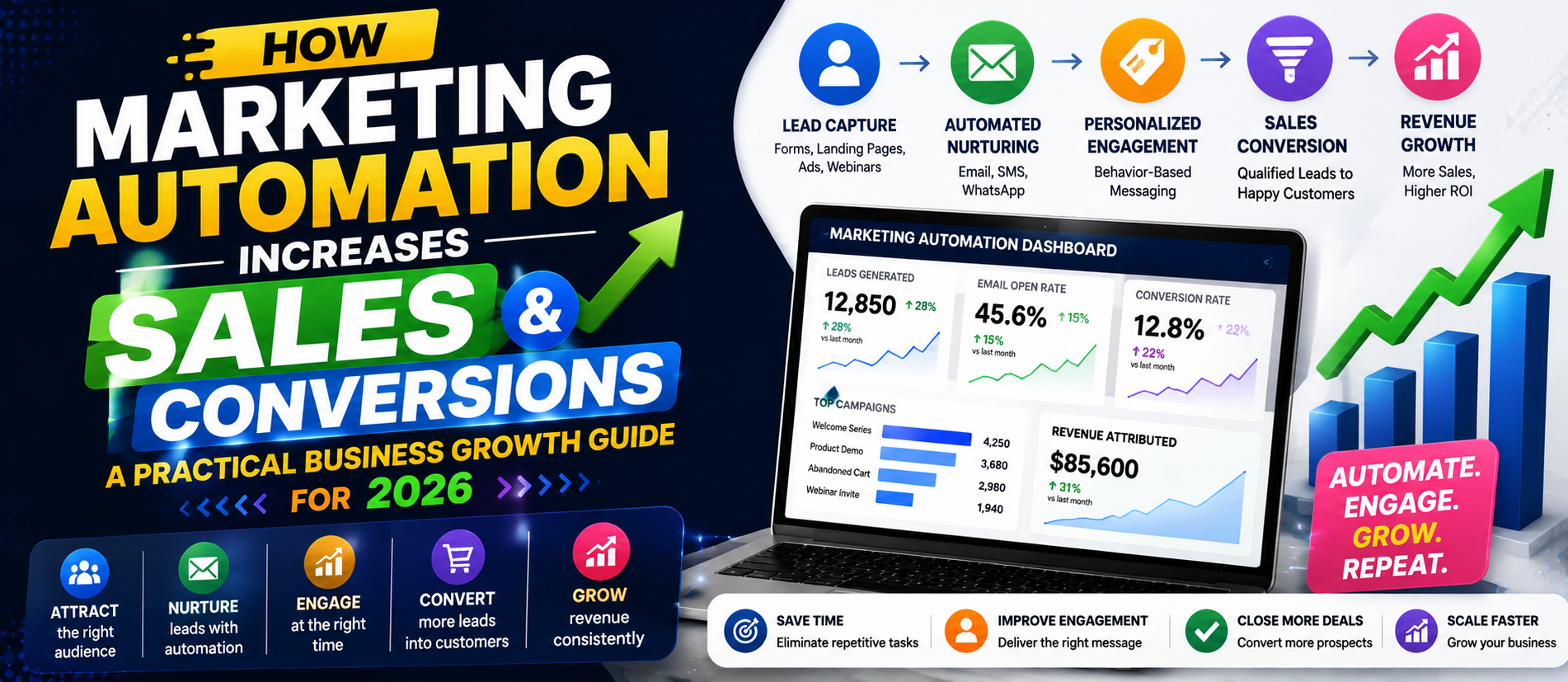
Marketing automation increases sales by delivering personalized communication, improving lead nurturing, reducing response times, identifying high-intent prospects, and guiding customers through the buying journey more efficiently.
Can small businesses benefit from marketing automation?
Yes. Small businesses often gain significant advantages by automating repetitive tasks, improving customer engagement, and managing growing customer databases without expanding their workforce.
Does marketing automation replace sales teams?
No. Automation supports sales teams by handling repetitive communication and qualification tasks, allowing sales professionals to focus on relationship building and closing opportunities.
Is AI necessary for marketing automation?
While automation can function without AI, AI significantly enhances personalization, predictive analytics, customer segmentation, and campaign optimization, resulting in stronger overall performance.
Conclusion
Marketing automation has become a strategic growth engine rather than simply a productivity tool. Businesses that combine intelligent automation with customer-focused communication, AI-powered insights, CRM integration, SEO, and data-driven decision-making consistently achieve higher conversion rates, stronger customer loyalty, and improved long-term profitability.
The organizations that succeed in 2026 will not necessarily be those with the largest marketing budgets—they will be those that deliver the most relevant, timely, and personalized customer experiences through intelligent automation.
If you're ready to increase sales, improve conversions, automate customer engagement, and build scalable digital marketing workflows, Designfo can help. Our team develops customized AI-powered marketing automation solutions that integrate CRM, SEO, analytics, lead nurturing, and customer journey optimization to accelerate measurable business growth.
Visit Designfo: www.designfo.in