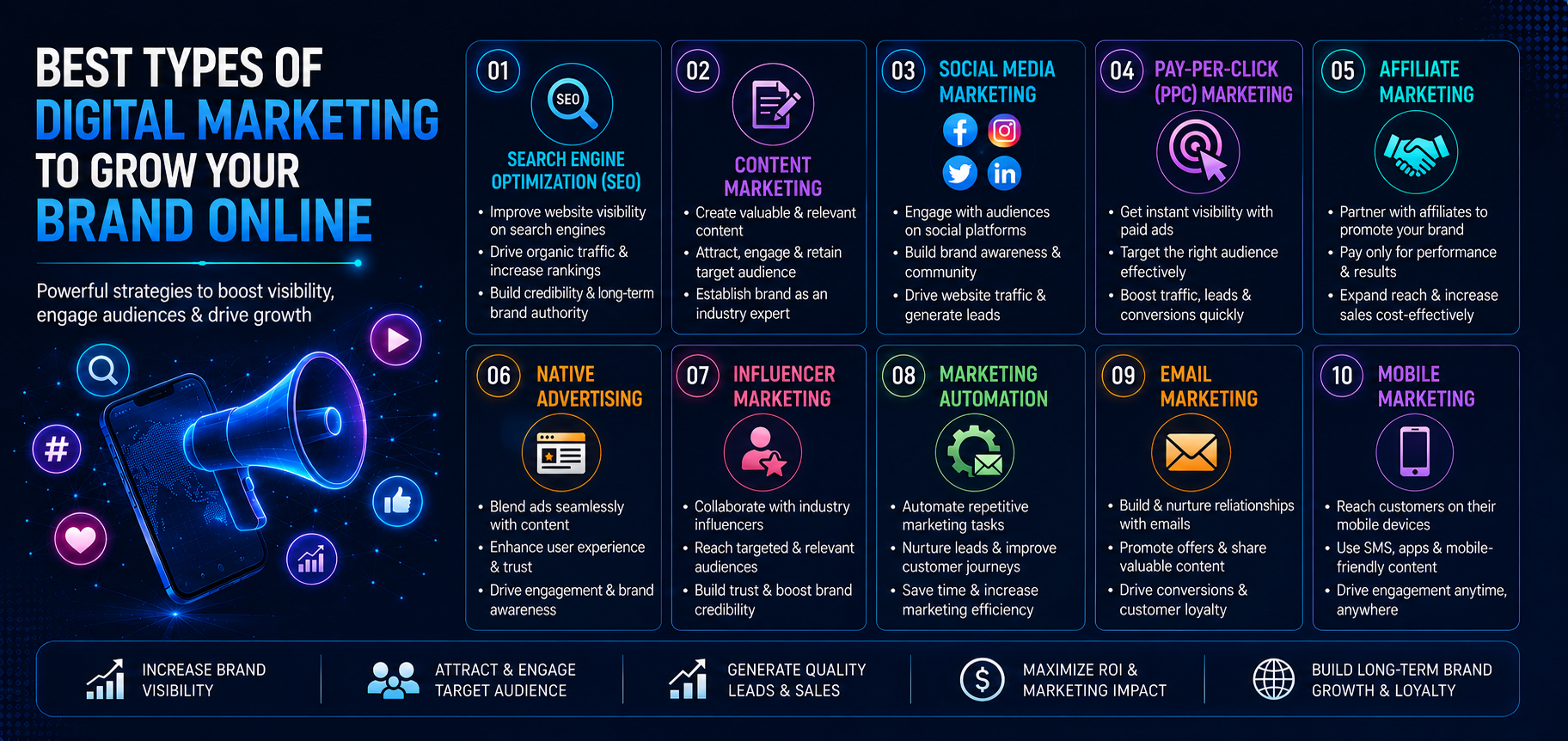
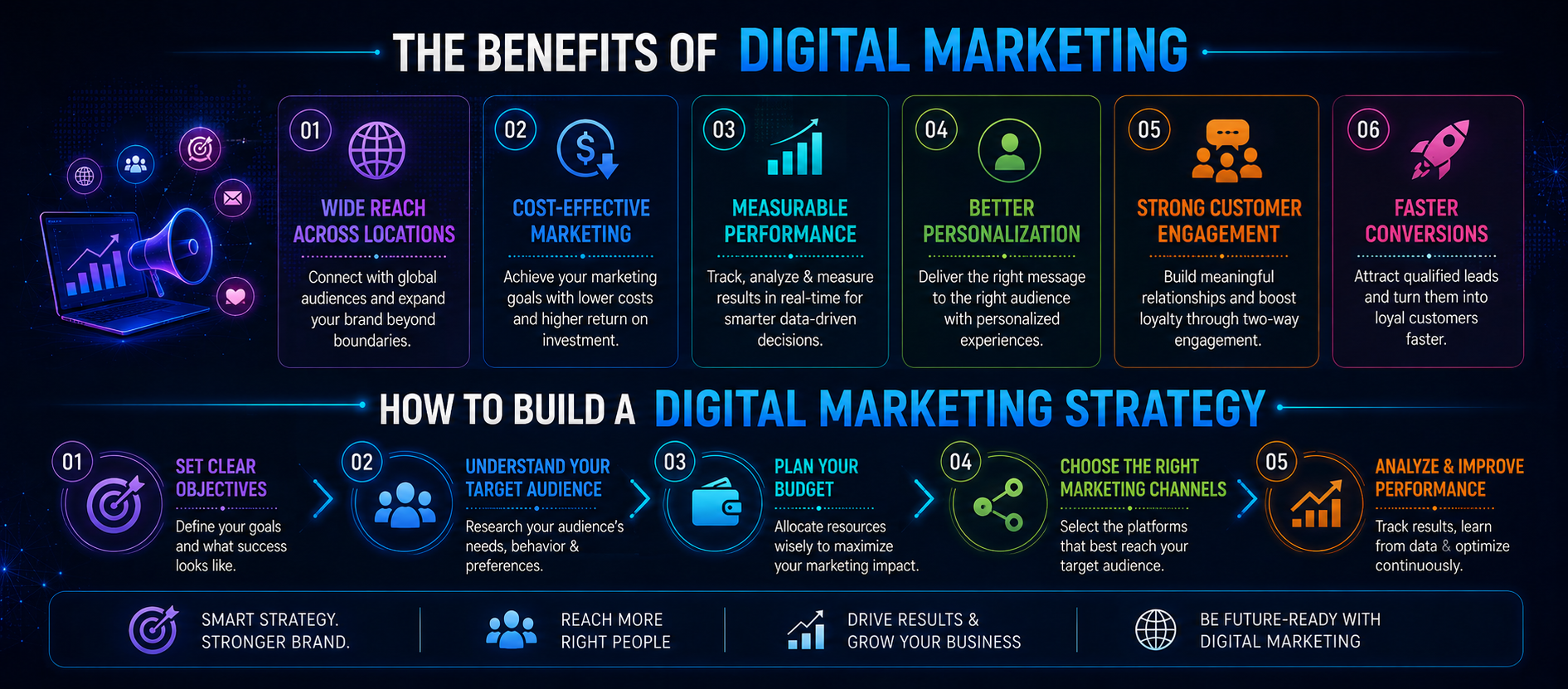
Artificial intelligence is rapidly transforming the digital marketing industry. Businesses are now using AI-powered systems to improve customer engagement, automate repetitive work, and deliver more personalized experiences across multiple online platforms.
How AI Is Changing Digital Marketing
AI technology helps marketers collect and analyze large volumes of customer data in real time. This allows companies to understand customer behavior, predict preferences, and improve campaign performance with greater accuracy.
Brands are increasingly adopting AI tools for audience targeting, content recommendations, automated email campaigns, and predictive analytics. These systems help businesses reduce marketing costs while improving return on investment.
Personalization Is Becoming Essential
Modern consumers expect personalized experiences whenever they interact with a brand online. AI helps companies customize advertisements, product recommendations, and website content according to customer interests and browsing habits
This level of personalization improves customer satisfaction and increases the chances of conversions and repeat purchases.
AI-Powered Content Creation
AI tools are also helping marketers create content more efficiently. Businesses can now generate blog ideas, social media captions, product descriptions, and marketing copy in less time.
Although human creativity remains important, AI assists teams by speeding up research, optimization, and content planning processes.
The Rise Of Smart Advertising
Digital advertising platforms are becoming smarter because of machine learning and automation. AI algorithms can identify the best audience for advertisements based on user behavior, demographics, and online activity.
As a result, brands can run more effective campaigns with better targeting and reduced ad waste.
Influencer Marketing And AI
Influencer marketing continues to grow, and AI is helping brands identify the right creators for their campaigns. AI-driven tools can evaluate audience engagement, content quality, and campaign performance before brands make partnerships.
This helps businesses build stronger relationships with their target audiences through trusted creators.
Video Content Continues To Dominate
Short-form and engaging video content remains one of the most effective digital marketing formats. AI tools help marketers optimize video performance, generate subtitles, improve editing workflows, and understand audience retention metrics. Businesses are increasingly investing in video-first strategies to capture shrinking consumer attention spans.
WhatsApp And Conversational Marketing
Messaging platforms such as WhatsApp are becoming important communication channels for brands. AI-powered chatbots and automated support systems allow businesses to answer customer questions quickly and improve user experience.
Conversational marketing is expected to become even more important as customers prefer direct and instant communication methods.
The Future Of AI In Marketing
The future of digital marketing will depend heavily on automation, data intelligence, and customer personalization. AI is expected to continue shaping content creation, campaign optimization, customer support, and advertising technologies.
Businesses that adopt AI strategically will likely gain stronger competitive advantages in the digital marketplace.
Key Benefits Of AI In Digital Marketing
- Faster campaign optimization
- Better audience targeting
- Improved customer personalization
- Automated customer support
- Smarter data analysis
- Increased marketing efficiency
- Enhanced content recommendations
Conclusion
Artificial intelligence is no longer a future trend in digital marketing. It is already becoming a core part of how businesses connect with audiences, create campaigns, and improve customer experiences online.
Companies that combine human creativity with AI-powered tools will be better prepared for the next generation of digital growth.