The global tourism industry is entering a new digital era powered by:
- Artificial Intelligence
- Smart city technologies
- Data-driven marketing
- Connected visitor experiences
- Intelligent destination ecosystems
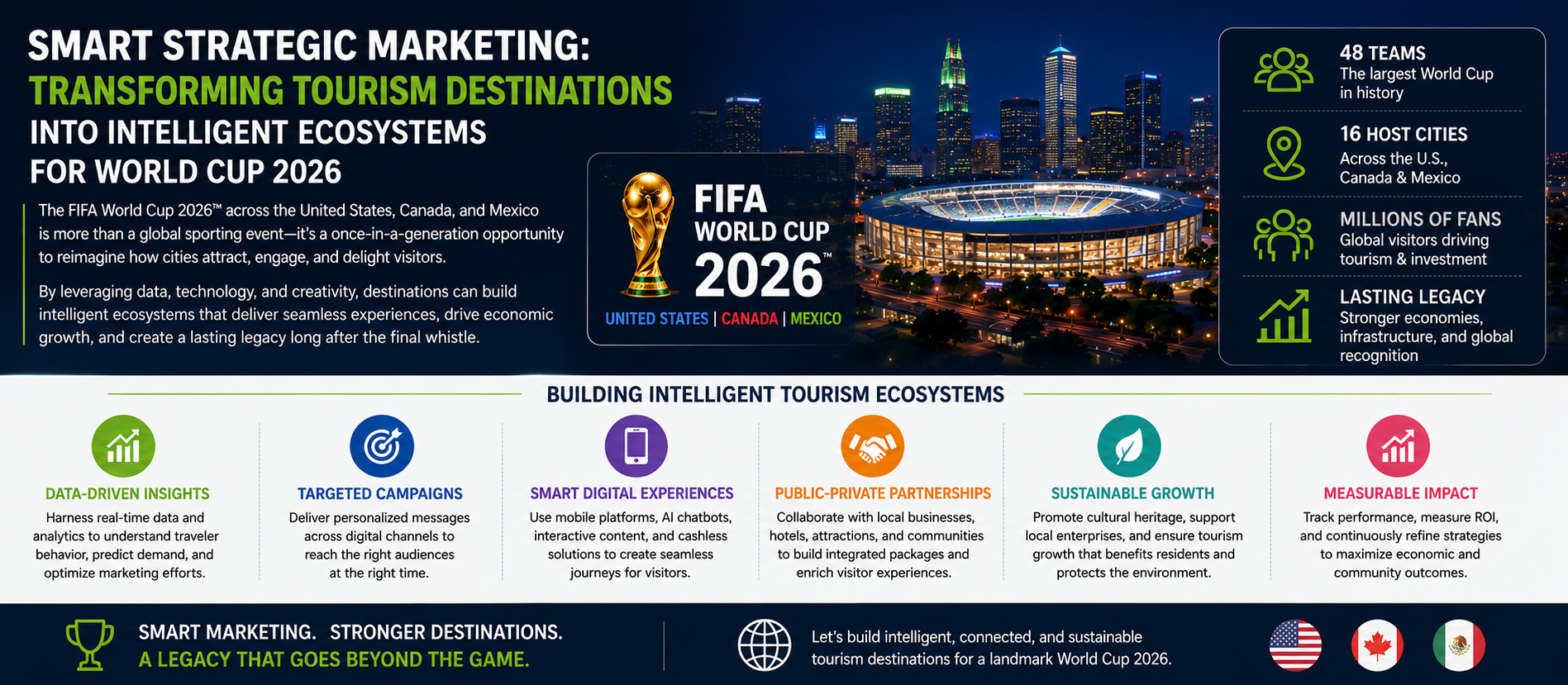
As the FIFA World Cup 2026 approaches, tourism destinations around the world are preparing for massive international audiences through smarter and more strategic digital transformation.
Modern tourism marketing is no longer limited to:
- Traditional advertisements
- Travel brochures
- Static campaigns
Instead, destinations are now building:
- Intelligent ecosystems
- Personalized visitor experiences
- AI-powered tourism systems
- Smart engagement platforms
At Designfo, we believe the future of tourism marketing will depend heavily on digital intelligence, AI personalization, and immersive destination experiences.
The Rise of Smart Tourism Ecosystems
Smart tourism combines:
- Technology
- Data analytics
- AI systems
- Connected infrastructure
- Real-time communication
to improve visitor experiences across:
- Transportation
- Hospitality
- Navigation
- Entertainment
- Public services
- Travel planning
Cities and tourism boards increasingly use digital systems to create:
- Seamless visitor journeys
- Personalized travel recommendations
- Real-time updates
- Intelligent crowd management
Why the World Cup 2026 Is a Major Digital Opportunity
The FIFA World Cup 2026 is expected to attract:
- Millions of international visitors
- Massive online engagement
- Global media attention
- Large-scale digital interactions
This creates huge opportunities for:
- Tourism brands
- Local businesses
- Hospitality industries
- Digital marketers
- Smart city technologies
Destinations that invest in intelligent tourism systems may gain long-term economic and branding advantages.
How Ai Is Changing Tourism Marketing
Artificial Intelligence now helps tourism organizations:
- Analyze visitor behavior
- Personalize recommendations
- Improve digital advertising
- Optimize travel experiences
- Predict tourism trends
AI-powered systems can recommend:
- Hotels
- Attractions
- Restaurants
- Events
- Transportation routes
based on:
- User preferences
- Real-time conditions
- Behavioral insights
The Importance of Data-driven Strategies
- Modern tourism marketing increasingly relies on: Visitor analytics, Behavioral data, Geographic insights, Mobile engagement, Social media trends
- Data-driven tourism systems help destinations: Improve visitor satisfaction, Optimize operations, Reduce congestion, Increase tourism spending
At Designfo, we strongly believe data intelligence will become one of the most important assets in future tourism ecosystems.
How Social Media Influences Travel Decisions
Social media platforms now play a major role in:
- Travel inspiration
- Destination discovery
- Tourism branding
- Visitor engagement
Travelers increasingly rely on:
- Instagram
- TikTok
- YouTube
- Travel influencers
- Short-form video content
before making travel decisions.
This has transformed tourism marketing into a highly visual and interactive digital experience.
The Role of Immersive Digital Experiences
Modern destinations are investing in:
- Augmented Reality (AR)
- Virtual tours
- AI-powered guides
- Interactive tourism apps
- Smart navigation systems
These technologies improve:
- Visitor engagement
- Accessibility
- Real-time information delivery
- Destination storytelling
Immersive experiences help destinations stand out in highly competitive tourism markets.
Why Personalization Is the Future of Tourism
Travelers increasingly expect:
- Personalized recommendations
- Smart travel assistance
- Real-time convenience
- Tailored experiences
AI systems now allow destinations to customize:
- Travel suggestions
- Promotional campaigns
- Visitor services
- Content recommendations
This improves:
- Customer satisfaction
- Tourism engagement
- Destination loyalty
How Designfo Supports Digital Tourism Growth
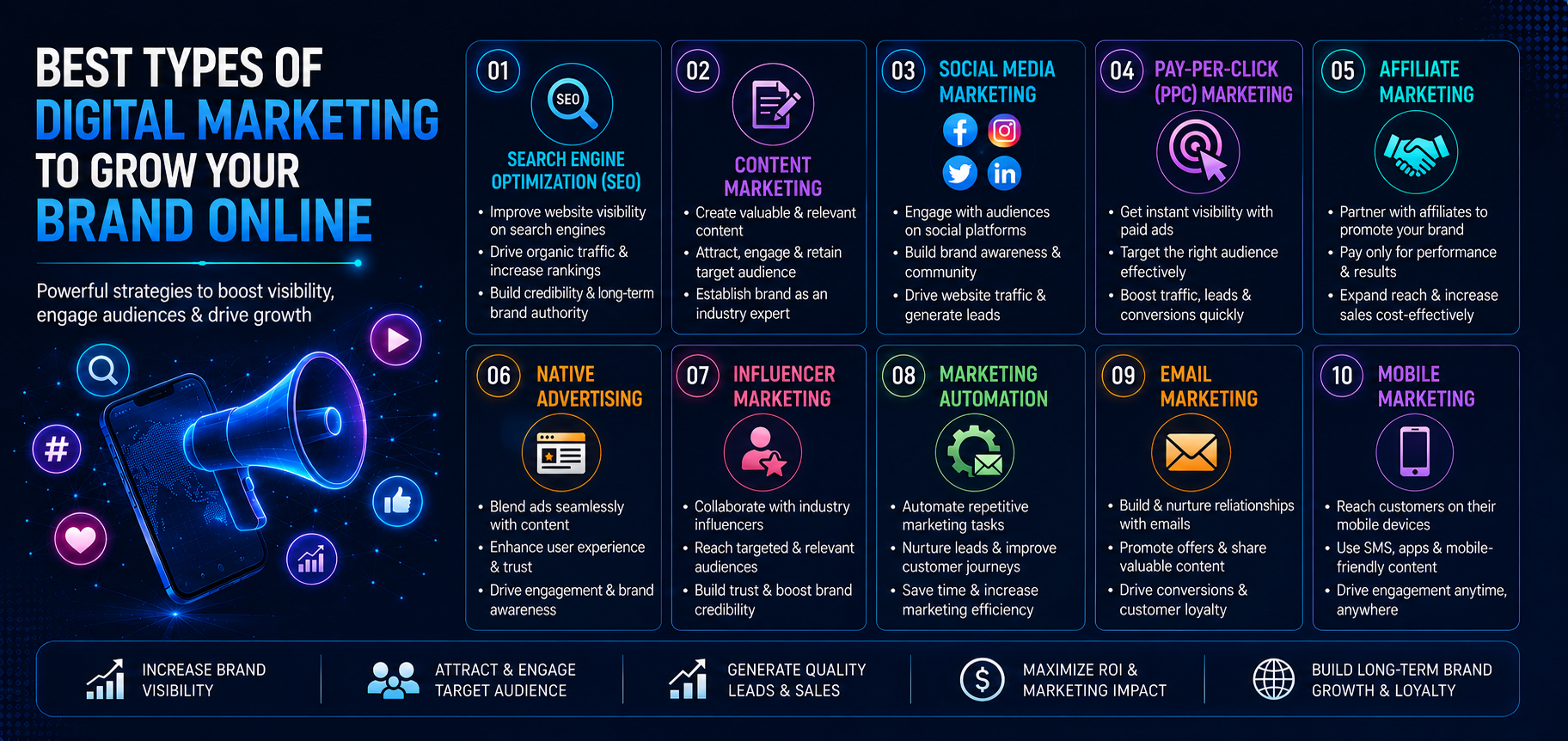
At Designfo, we help businesses and tourism brands improve digital visibility through:
- AI-focused marketing
- SEO optimization
- Social media promotion
- Content marketing
- Smart branding strategies
- Audience engagement systems
Our approach focuses on:
- Future-ready marketing
- AI-driven personalization
- Intelligent digital experiences
- Multi-platform visibility
The Future of Tourism Marketing
The future of tourism will likely become:
- More connected
- More intelligent
- More personalized
- More AI-driven
- More experience-focused
Destinations that successfully combine:
- Smart technology
- Digital storytelling
- Data intelligence
- Visitor-centric experiences
may become global tourism leaders in the coming decade.
Final Thoughts
The World Cup 2026 is not just a sporting event.
It represents a major opportunity for destinations to transform tourism through:
- AI
- Smart ecosystems
- Digital innovation
- Personalized engagement
- Intelligent marketing strategies
At Designfo, we believe the future of tourism belongs to destinations that create:
- Seamless experiences
- Data-driven systems
- Human-centered digital journeys
- Smart tourism ecosystems
Because modern tourism is no longer just about visiting places.
It is about experiencing intelligent, connected, and personalized destinations.